





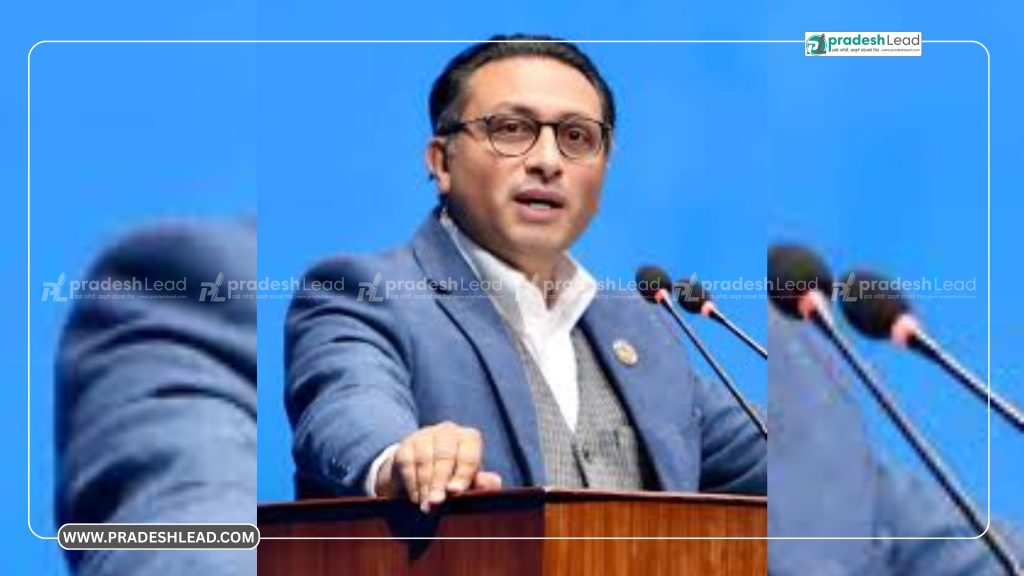

Speaking at a post-budget interaction program organized by the Nepal Economic Journalists Association in Kathmandu, Finance Minister Swarnim Wagle claimed that vehicles priced up to NPR 5 million are expected to become cheaper under the new tax structure.
He stated that while the government had previously provided significant incentives to promote the adoption of electric vehicles, the current policy adjusts taxes according to market conditions and economic requirements.
“Driving an electric vehicle worth up to NPR 10 million can also be considered a luxury today. We must acknowledge that reality,” Wagle said. He added that the Prime Minister had instructed the government not to increase taxes on vehicles costing less than NPR 5 million. Therefore, tax increases have been focused on higher-priced vehicles, with the expectation that the impact on ordinary consumers will be minimal.
The Finance Minister also noted that automobile importers had faced uncertainty because electric vehicles were being taxed based on kilowatt capacity, leading to concerns raised by the Office of the Auditor General. He said shifting to a value-based taxation system has brought greater clarity and relief to auto dealers.
Wagle further argued that electric vehicles should not be viewed as completely clean energy solutions, pointing out that battery disposal and long-term battery management remain significant environmental challenges.
According to him, the revised tax policy aims to balance government revenue needs while ensuring affordability for consumers purchasing lower-priced vehicles.

Comments